
.svg)
.png)
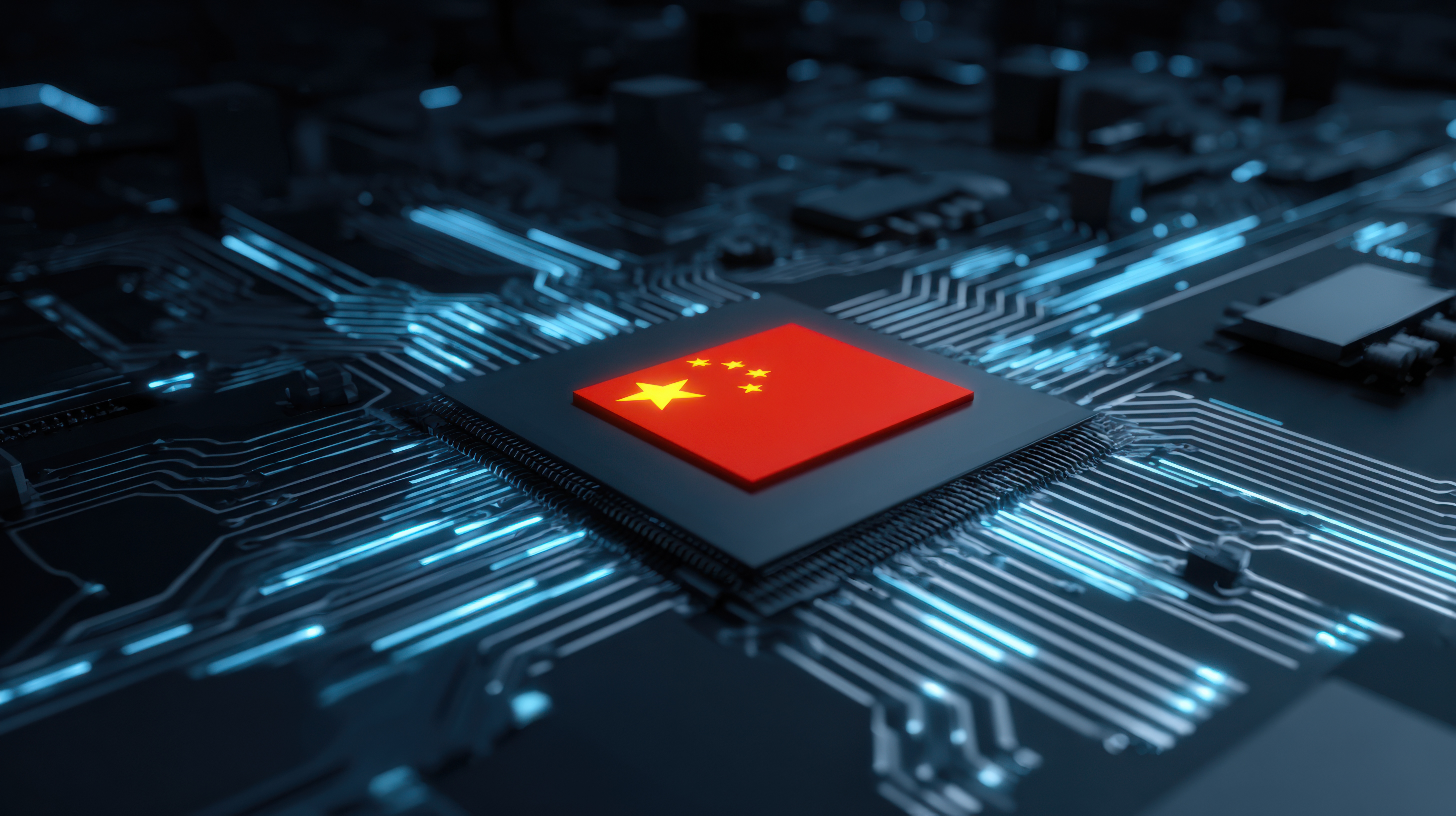
Understanding Technology Risks from China: A Security Perspective
As global supply chains become increasingly interconnected and digital infrastructure assumes a vital role, concerns regarding Chinese technology have shifted from peripheral discussions to central issues insecurity dialogues. To comprehend these risks, it is essential to move beyond sensational headlines and scrutinise the structural factors that render technology sourcing a strategic concern.
The Regulatory Environment
Chinese technology firms operate within a legal framework that is fundamentally different from that of their Western counterparts. The 2017 National Intelligence Law mandates that Chinese organisations and citizens"support, assist, and cooperate with state intelligence work." This mandate is not merely theoretical; it establishes a legal obligation that supersedes corporate governance and individual privacy concerns. While this does not imply that all Chinese companies engage in espionage against Western entities, it raises pertinent questions about the rationale for enacting this law.
Furthermore, the 2021 Data Security Law grants the Chinese government extensive authority over data collection, storage, and transfer. Consequently, for companies utilising Chinese technology, there is the potential for data traversing their systems to be accessed by Chinese authorities, irrespective of the data's origin or the company's operation allocation.
Supply Chain Vulnerabilities
Modern technological products are characterised by extraordinary complexity, frequently encompassing millions of lines of code and numerous hardware components. This complexity presents opportunities for latent vulnerabilities, whether they are intentionally embedded or inadvertently introduced.
When critical infrastructure—ranging from telecommunications networks to power grids—depends on foreign technology, the potential for supply chain compromise emerges as a significant national security concern. Hardware backdoors, malicious firmware updates, and exploitable software vulnerabilities could potentially grant persistent access to sensitive systems.
The challenge lies in the difficulty of auditing and verifying these risks. In contrast to open-source software, where the code is subject to independent review, proprietary systems require reliance on the manufacturer's security practices and intentions.
Data Collection and Privacy
Chinese technology companies have come under scrutiny regarding their data collection practices. TikTok, for example, has been the subject of investigations by various governments due to concerns about the accessibility of user data. The company asserts that it stores international user data outside of China; however, apprehensions persist regarding the potential for data access under Chinese legislation.
The scope of these concerns extends beyond social media platforms to encompass smartphones, networking equipment, surveillance cameras, and consumer electronics. Each connected device constitutes a potential point of data collection, and aggregating seemingly innocuous data may reveal sensitive patterns about individuals, organisations, or even critical national infrastructure.
Intellectual Property and Economic Security
Technology transfer and intellectual property considerations represent a significant dimension of risk. Reports from cybersecurity firms and governmental agencies have documented extensive cyber espionage operations attributed to groups sponsored by the Chinese state, frequently targeting trade secrets, research data, and proprietary technology. This issue transcends mere corporate competition; when critical technologies such as semiconductors, artificial intelligence, or biotechnology are compromised, it has profound implications for long-term economic competitiveness and national security capabilities.
The 5G Dilemma
The discussion regarding Huawei's participation in the development of 5G networks highlights a myriad of concerns. The infrastructure associated with 5G is designed to support a broad range of applications, from autonomous vehicles and industrial automation to military communications. Thus, the prospect of this critical infrastructure being accessible to a foreign government introduces risks that extend beyond conventional cybersecurity considerations.
In response to these apprehensions, several nations, including the United States, the United Kingdom, and Australia, have imposed restrictions or outright bans on the use of Huawei equipment within their 5Gnetworks. Additionally, numerous countries have instituted stringent security protocols and oversight measures to mitigate potential risks.
Beyond Binary Thinking
The presence of certain risks does not imply that all Chinese technology is compromised or that every Chinese enterprise poses a security threat. Numerous Chinese technological products operate effectively and securely within global markets. The primary challenge is to conduct informed risk assessments that account for the specific context, use case, and sensitivity of the applications involved.
· Organisations and governments must carefully balance these risks with practical considerations, including cost, performance,and the availability of alternatives. Effective risk mitigation strategies may encompass the following measures:
· Restricting the utilisation of Chinese technology in critical infrastructure and sensitive applications
· Implementing comprehensive security auditing and monitoring protocols
· Diversifying supply chains to eliminate single points of failure
· Mandating transparency and independent security evaluations
· Promoting the development of domestic alternatives for essential technologies
Conclusion
The risks associated with Chinese technology stem from a combination of legal requirements, geopolitical tensions, and the strategic significance of digital infrastructure. As technology increasingly plays avital role in economic prosperity and national security, these concerns may grow.
Moving forward requires a balanced approach that addresses security concerns while acknowledging economic realities. This involves making risk-based decisions rather than applying blanket policies and investing in technological capabilities to reduce strategic dependencies. However, recognising these risks is essential for effective cyber risk management; we must treat all tech, wherever it comes from, as long as it’s in your charge, with a level of suspicion.
.svg)